
Bitterness has a way of lingering on the tongue, much like a cheap bottle of red that didn't quite live up to the label. For a long time, that was the flavor of the publishing world for Cathie Beck. After years of pouring her heart into a manuscript and another four trying to convince the gatekeepers of New York that her story mattered, she found herself at a crossroads. The rejections were piling up—nearly thirty of them—and the silence from the industry was deafening. It was the kind of professional heartbreak that makes a person seriously consider trading their keyboard for a law school application.
But some stories are too stubborn to die on a shelf. Beck, a former teenage mother who had already conquered the steep hills of raising two children alone, wasn’t built for a quiet retreat. Her journey from the brink of giving up to seeing her work released by Voice/Hyperion is a testament to the fact that when a story is rooted in real, lived-in connection, it possesses a gravity all its own. This is the essence of a Cathie Beck friendship narrative nonfiction piece: it doesn’t just describe a bond; it makes you feel the weight of it.
The alchemy of turning grief into a legacy
Writing about a best friend who has passed away is an exercise in emotional architecture. It’s about building a space where the deceased can still breathe. For Beck, the catalyst wasn't immediate. It took a year after her friend Denise died and an unexpected emotional spark from the news of the Columbine tragedy to realize she had to write it out. What began as a ninety-page "long short story" eventually morphed into a book that refused to be ignored.
The struggle to sell that story is now the stuff of indie-publishing legend. Beck didn't just wait for a phone call; she manufactured her own momentum. She interviewed agents under the guise of a magazine assignment, only to turn off the recorder and challenge them to read her own work. When the traditional path stalled, she pivoted to a "virtual party" strategy—a blitz of marketing that cost her half a year’s income and nearly $13,000 of her own savings. It was a "hope and a prayer" move, complete with custom wine labels and a spreadsheet of six hundred industry contacts.
This relentless drive is why a Cathie Beck friendship narrative nonfiction work feels so urgent. It wasn't written to fit a trend; it was written because it had been a "burn in the belly" since she was five years old. When the book eventually hit the Amazon charts, climbing alongside political heavyweights, it proved that readers are hungry for the "unflinching" reality of human connection. The "happily ever after" didn't come from a magic wand—it came from a writer in flannel pajamas who refused to take "no" for an answer.
Finding the grit in the Indiana soil
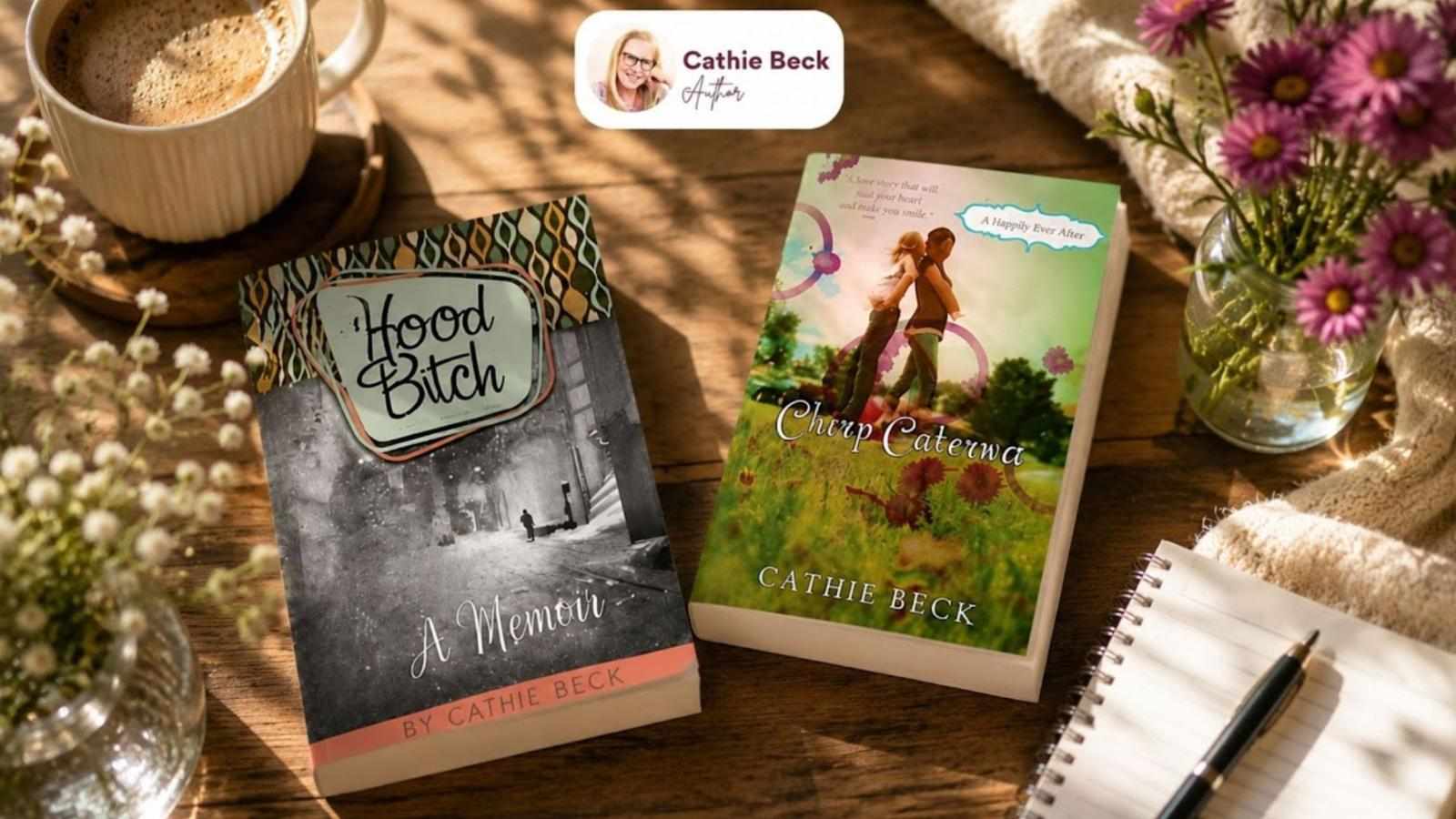
While much has been said about her debut’s success, the foundation of her voice was poured long ago in the Midwest. This is the point at which Cathie Beck's personal identity blends with her work as a journalist and author. Hoodbitch, her upcoming memoir, probes deeply into the broken homes of Indianapolis in the 1960s and 1970s. Moving a staggering twelve times before she turned seventeen, Beck developed a perspective that is both observant and raw.
This isn't the polite, manicured Midwest often seen in fiction. It’s a story of "instability, grit, and resilience" on the Near Eastside. By documenting class struggle and the resourcefulness required to survive it, she offers a narrative that resonates with the honesty of a journalist and the soul of a poet. Cathie Beck, as a journalist and author, knows that the most compelling stories aren't found in the grand gestures but in the small, difficult moments of staying afloat when the world feels precarious.
This Midwestern grounding is why her stories about friendship and family hit so hard. They are stripped of pretense. Whether she is exploring the "heart-twisting moments of connection" in a shared bottle of wine or the "piercing honesty" of a turbulent upbringing, she treats the reader like a confidant. She reminds us that the stories worth reading are the ones where the author was willing to "peel their skin back without anesthesia" to find the truth underneath the memory.
A voice that refuses to be quieted
Reflecting on Beck's trajectory, it's clear that her literary recognition—from being a five-time Denver Post bestseller to winning the Denver Women’s Press Club top honors—stems from a refusal to be "likable" at the expense of being real. When an agent told her a character wasn't likable enough, she didn't just polish the edges; she ripped the book apart and rebuilt it to be more honest. That is the hallmark of a writer who understands that truth is more important than comfort.
In the end, we don't return to memoirs for the facts alone. We return for the feeling of being understood. Through her perseverance, Beck has carved out a space for the "raw and unflinching" stories that often get lost in the noise of the publishing industry. She reminds us that having an ISBN number with your name on it is a victory of the soul, a way to ensure that even after we are gone, the friendships and the struggles that defined us remain on the page, waiting for the next reader to pull up a chair and pour a glass.









Write a comment ...